
If you searched for how to write a habitability complaint letter to your landlord in calif, the most useful starting point is a clear account of what is wrong, where it is happening, and when you first noticed it. A calm, specific letter can help your landlord understand the repair request and give you a record of what you reported. It does not guarantee a repair or decide your legal rights, but careful documentation can make the next steps easier.
How to Write a Habitability Complaint Letter to Your Landlord in Calif.: What to Include
Keep the letter focused on facts the landlord can check. Identify the rental unit, describe each condition, explain how it affects the home, and state what you are asking the landlord to do. You do not need to make legal arguments or guess at the cause of a problem.
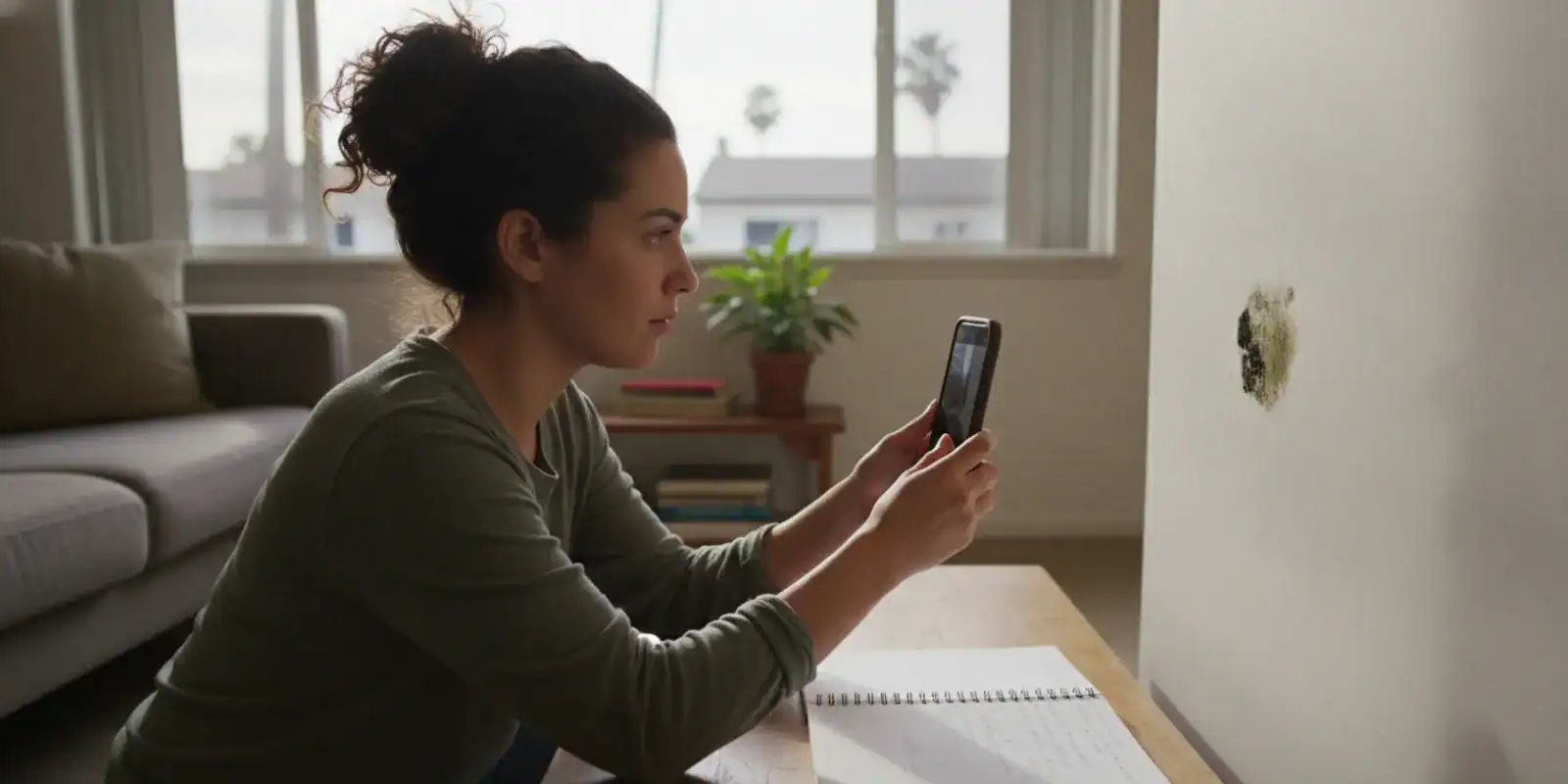
For example, “There is a dark, damp area on the bedroom wall below the window, and it has grown since I first noticed it on October 3” gives more useful information than “The apartment is unsafe.” If you do not know whether a stain is mold, describe what you see and smell rather than presenting a diagnosis as fact.
- Your name, rental address, apartment number, and a reliable way to reach you.
- The date you are sending the letter and the date you first noticed each problem, if known.
- The location and observable details of the condition, including whether it is ongoing or worsening.
- Any prior requests, conversations, visits, or repair attempts, with approximate dates.
- A reasonable request for inspection or repair, and a request that the landlord confirm next steps.
If more than one condition needs attention, use separate numbered items. This makes it easier to respond to each issue and reduces the chance that a smaller but important problem gets lost in a long paragraph.
How can you describe a problem clearly?
Write what you observed rather than assigning blame. Include the room, exact area, size or extent when you can estimate it, and any change over time. State whether you have seen active leaking, standing water, pests, a broken fixture, damaged flooring, or another visible issue. Do not exaggerate or claim that a condition caused an illness unless a qualified professional has told you that.
Explain the practical effect without overstating it. For example, you might say that a leak is preventing you from using part of a room, that an outlet has stopped working, or that you cannot close a window. If the problem presents an immediate safety concern, make that clear and use an appropriate urgent contact method as well as a written record.
Keep the tone civil and direct, even if you are frustrated. Avoid insults, threats, or broad statements such as “you never fix anything.” The purpose is to create a reliable record and make a repair request the owner or manager can understand.
How can you organize the letter before sending it?
A short preparation pass can make the letter easier to read and less likely to leave out useful facts. Start with a scratch timeline rather than drafting from memory. List when you first noticed each condition, when you reported it, and what response or visit followed. Mark dates as approximate if you are not certain; do not turn an estimate into a precise date just to make the account look complete.
- Separate observations from conclusions. Write “water drips from the ceiling during rain” rather than guessing where the leak begins.
- Connect each request to a condition. Ask for inspection of the ceiling leak and note the affected room, instead of asking generally for the entire unit to be fixed.
- Review names and contact details. Confirm the address, unit number, landlord or management contact, and a method for receiving a response.
- Read once for clarity. Remove repeated complaints and check that each item says what happened and what action you want.
For example, a tenant who has a ceiling stain and a window that will not close can list them separately, with different dates and effects. If the stain appeared after rain but the cause is not known, say that. If the window issue was already reported through a portal, include the submission date or confirmation number if available. These details give the property manager a practical way to check the history without requiring you to diagnose the building.
How to Write a Habitability Complaint Letter to Your Landlord in Calif.: What Evidence to Keep
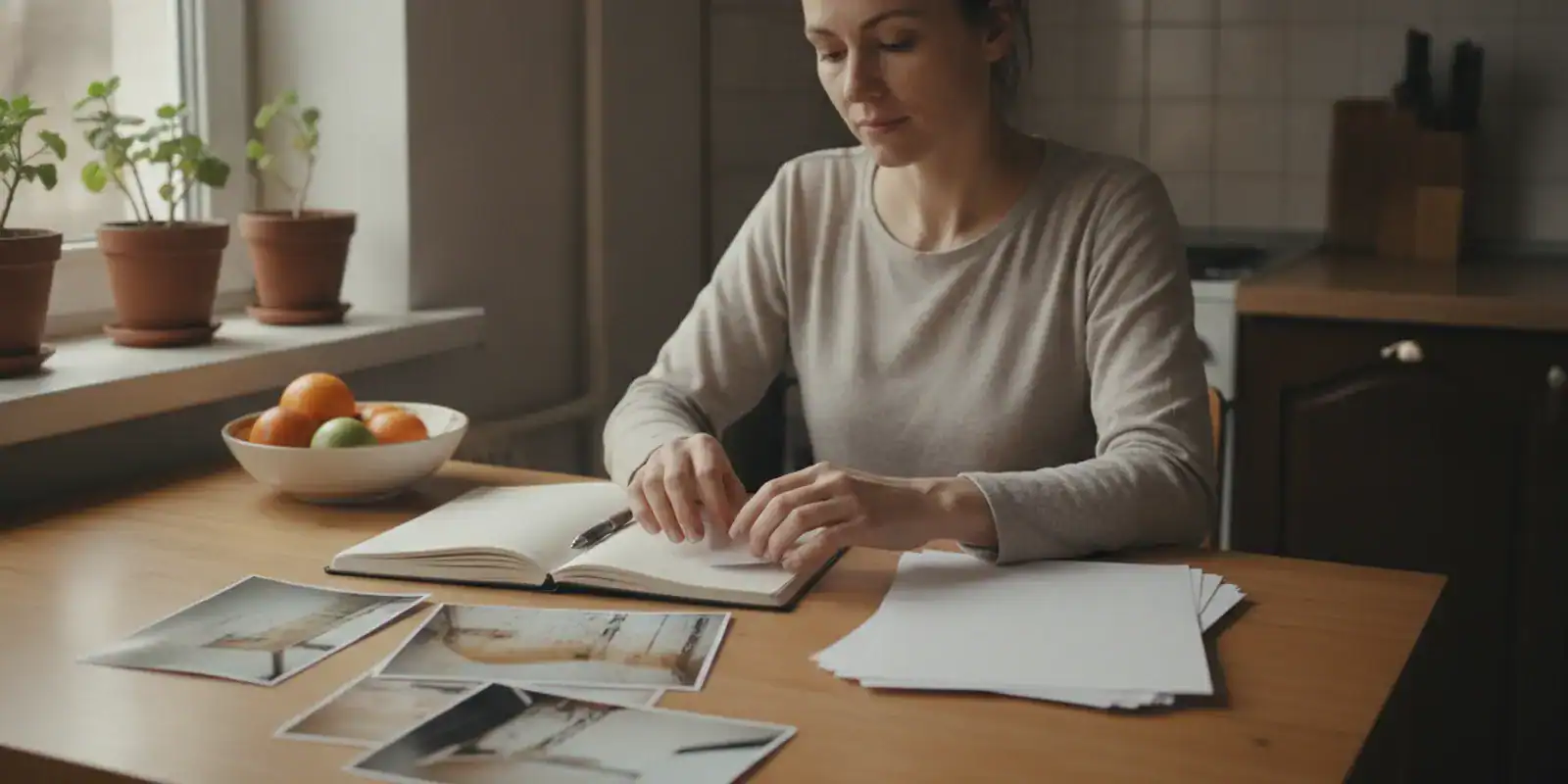
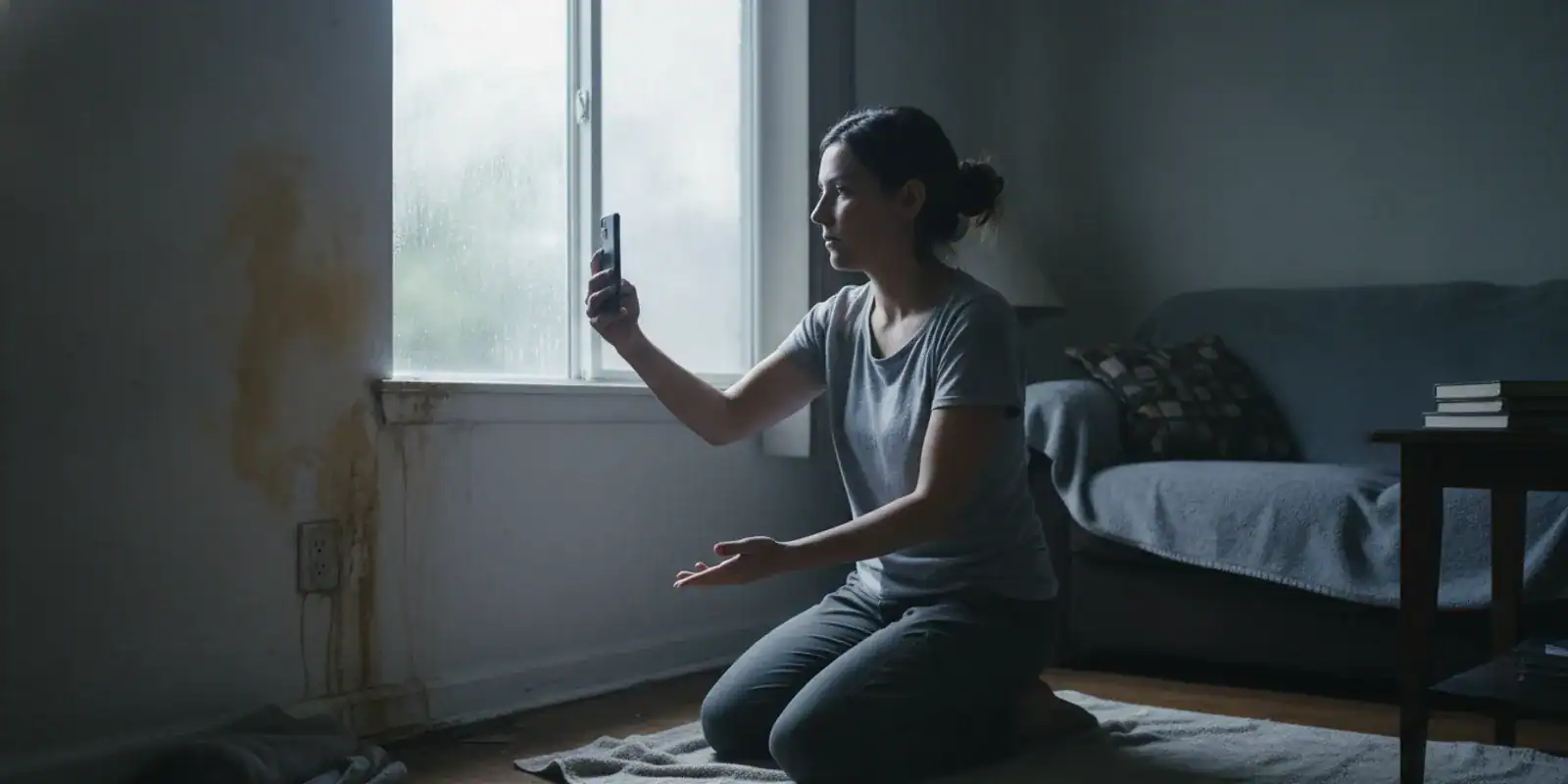
Take dated photographs or video of visible conditions, from both a close view and a wider angle that shows where the problem is located. Keep copies of relevant messages, maintenance requests, inspection notices, and any replies. A simple timeline can help: when you noticed the issue, when you reported it, who responded, and what happened afterward.
Save a copy of the final letter and a record showing how and when you sent it. If you deliver it in person, consider making a note of the date and recipient. If you use mail or an online portal, retain the receipt, submission confirmation, or screenshot. Choose a delivery method that is reasonable for your situation and consistent with any communication instructions in your rental agreement. Do not send your only copy.
Photos and notes are useful, but do not alter them to make a condition seem worse. Keep originals where possible. If you have health concerns, seek appropriate medical care and keep relevant records; a landlord letter is not a substitute for medical advice.
It can help to give files simple names, such as “kitchen-leak-2026-10-03” or “repair-request-submitted-2026-10-05,” and store them together with the letter. If a photograph does not show the whole context, add a note explaining where it was taken and what it depicts. Keep original files as well as copies you send. Do not include unrelated personal records or share more sensitive information than needed to explain the repair request.
How should you ask for repairs and a response?
Say plainly what action you want: for example, an inspection of a reported leak, repair of a broken heater, or treatment and follow-up for a pest problem. You can ask the landlord to let you know when someone will inspect or complete the work. Keep the request practical and avoid setting an arbitrary deadline or announcing that you will take a step you have not checked is legally appropriate.
California rules can depend on the facts, the condition, notice, and what the landlord does next. A letter does not automatically authorize you to stop paying rent, arrange a repair and deduct the cost, break a lease, or refuse entry for a properly arranged inspection. Before taking a step that could affect your housing or finances, get advice about your particular circumstances. Block Law handles California habitability and tenant-rights matters, including situations involving unsafe conditions and landlord disputes.
For renters dealing with dampness or suspected mold, the California Apartment Association’s forms and renter information archive lists an “Information on Dampness and Mold for Renters in California” booklet. Use it as general information, not as a substitute for advice about your specific legal situation.
Call Block Law to discuss your tenant-rights concerns
What can a sample letter look like?
Use this as a starting point and replace the bracketed details with accurate information. Keep a copy after you send it.
Subject: Request for inspection and repair at [rental address]
Dear [landlord or property manager name],
I am writing about a condition in my rental home at [full address and unit number]. On [date noticed, if known], I observed [describe the condition and its location]. Since then, [briefly explain any change or continuing effect]. I previously reported this on [date and method, if applicable].
Please arrange to inspect and address [state the repair or inspection requested]. Please let me know when the inspection or repair can be scheduled and whether you need any additional information from me. I can be reached at [phone or email].
I have attached [list photographs or other relevant records, if any]. Please respond in writing so we both have a record of the request. Thank you.
Sincerely,
Tenant name
[Date]
For multiple conditions, add a short numbered list after the first paragraph. For instance: “1. Water is dripping from the ceiling in the hall after rain. 2. The bedroom window does not close fully. 3. I submitted a maintenance request about the window on [date].” Include only details you believe are accurate. If you are unsure about a date, say it is approximate.
How do common ways of reporting a problem compare?
A written letter is one option, not the only way to tell a landlord about a problem. The useful choice depends on urgency, prior communication, and what record you need. You can make an urgent report promptly and follow up in writing.
| Method | Useful when | What to save or include |
|---|---|---|
| Letter or email | You want a detailed, dated description and a copy for your records. | Final copy, date sent, delivery record, photos or attachments. |
| Landlord maintenance portal | The property uses a portal for repair requests. | Submitted request, confirmation number, screenshots, and later updates. |
| Phone or in-person report | You need to alert management quickly or discuss access. | Follow up with a written summary noting the date, person contacted, and what was said. |
Whichever route you use, make the report understandable and keep a record. If the landlord responds by phone, write down the date and the substance of the conversation soon afterward. If there is an appointment, keep notes about whether the inspection happened and what was communicated.
What should you do if there is no response?
First, check that the message reached the right landlord or manager and that you used a contact method they monitor. If you have heard nothing, send a concise follow-up that refers to the date and subject of your first request. Restate the condition and ask for an update. Keep the follow-up and any reply with your other records.
A useful follow-up does not need to repeat every detail. It can identify the first message, restate the unresolved condition, and ask whether an inspection or repair has been scheduled. If circumstances change, add the new observation and date. For example, distinguish a continuing damp patch from a new active drip rather than treating both as the same event. If management replies that access is needed, save the message and clarify the proposed time or any practical access concern in writing.
If the problem continues, worsens, or the landlord disputes what you reported, organize your timeline, photos, rental paperwork, and all communications. Avoid escalating with a rent-related or lease-related step based only on an online template. For a tenant-rights overview, Block Law’s page on California tenant rights can help you identify questions to raise. The firm’s California legal team also describes its personal injury and tenant-rights practice; a consultation can help you discuss the facts and possible next steps.
See if you qualify for tenant-rights help
Frequently asked questions
Call now to discuss a tenant-rights concern
Should I send a complaint letter even if I already called?
A written follow-up can help document what you reported and when. Briefly note the earlier call, including its approximate date and who you spoke with if you know, then restate the issue and request an update. Keep the tone factual.
Do I need to call the problem a habitability violation?
No. You can describe the condition and its effect without deciding its legal classification. Clear observations are more useful than a legal label that may not fit the facts.
Can I stop paying rent after sending the letter?
Do not assume that sending a letter gives you the right to withhold rent. The rules and risks depend on the circumstances, so get qualified legal advice before changing rent payments or taking another step that could affect your tenancy.
Should I include photos?
You may include copies of relevant photographs if they help explain the location or appearance of a condition. Keep the originals and note when they were taken. Do not rely on images alone; describe the issue in the letter as well.
Talk with Block Law about your next step
If a serious repair problem remains unresolved or you are facing a landlord dispute, you can speak with Block Law about your situation. The firm offers free consultations and handles tenant-rights matters in California; the right next step depends on your facts.
Call Block Law at 1-818-745-7777
Keep your letter, delivery record, photos, and replies together so you can explain the timeline clearly if you seek help.
